
LET'S TALK ABOUT BED BUGS
BLOG & NEWS
-

4 Reasons Why Bed Bug Treatments Fail
Jan 16, 2018Trying to get rid of bed bugs in your home, office, or business? Be sure to avoid these all to common mistakes to completely eradicate the problem. Bed bugs are smart, sneaky and very resilient. Killing bed bugs is all a matter of using the right products and the proper steps. Bed bugs are not like other pests that can be taken care of with a simple spray or fogging. Whether you are a homeowner or business manager you NEED to know what you are doing when tackling a bed bug issue.Read More »
-

The How to Guide of Starting Your Own Bed Bug Heat Business
Dec 18, 2017Ready to break into the Bed Bug Heat Treatment Business? Convectex is here to help you get your bed bug heat business or division off the ground fast! We offer all the equipment, training, and services to get you noticed. Just follow the steps below and you could be making bug money in no time!Read More » -
Keep Bed Bugs Out! Tips For Your Tenants – Part 2
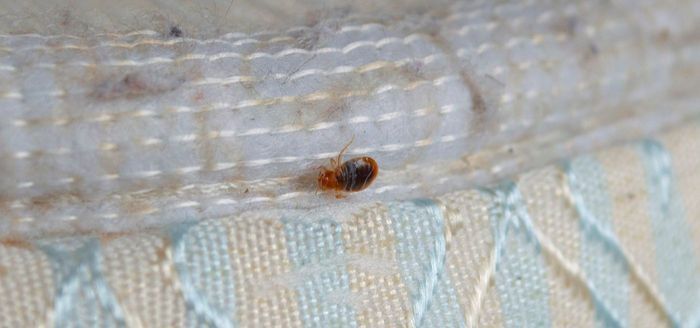
Dec 18, 2017As a continuation of our series on “Tips For Your Tenants” we have compiled a list of ways for your tenants to avoid bed bugs from invading their units. This is extremely valuable as it could save time and money treating infestations that could have been avoided with a few precautions. The lists below outlines some of the places where bed bugs are most often found, how to avoid bringing them home, and a few tools that can help you identify and avoid bed bugs. Know When You Are At Risk Here are some of the times and places when you are at the highest risk encountering bed bugs. While traveling – Hotels and motels are the most common places to find bed bugs. Due to their high traffic and variety of guests bed bugs thrive by hitching rides on visitors. If you are staying in a hotel or motel always search the room before bringing your belongings into the room. Check out our “PART 1” article for where to look in your room - https://convectex.com/blogs/blog/77826309-keep-bed-bugs-out-tips-for-your-tenants You should also avoid putting your luggage on the bed, even if your search was clean for bed bugs. Always use the luggage...Read More » -

Convectex Sponsers the 2017 Sadodara Gam Convention / 3 Day Picnic
Dec 4, 2017Thanks for giving Convectex the opportunity to provide the shirts for the 2017 Sadodara Gam Convention / 3 Day Picnic Hope Everyone Had Fun!!!Read More » -

A Simple Bed Bug Inspection Guide
Nov 20, 2017Finding a bed bug infestation as soon as possible is key in being able to perform a QUICK and EFFECTIVE heat treatment. Treating a minor infestation requires less time and is easier to treat then after the infestation becomes more widespread. Therefore, professional exterminators highly encourage proactive inspections for all hospitality, multifamily and commercial clients.Read More » -

How to stop Bed Bugs for Tenants
Nov 1, 2017As a continuation of our series on “Tips For Your Tenants” we have compiled a list of ways for your tenants to avoid bed bugs from invading their units. This is extremely valuable as it could save time and money treating infestations that could have been avoided with a few precautions. The lists below outlines some of the places where bed bugs are most often found, how to avoid bringing them home, and a few tools that can help you identify and avoid bed bugs.Read More »